


Everything You Need to Know About Induction Cooking & Cookware

Andi Healey
Web Manager
Everything You Need to Know About Induction Cooking & Cookware
The Complete Guide to Modern, Efficient Cooking Technology
Why Induction Cooking Matters Now
Or how electromagnetic technology is finally replacing century-old cooking methods
Induction cooking debuted at the Chicago World's Fair in 1933 under the banner "miracle of cool heating." For decades it remained a curiosity, expensive to produce and incompatible with most cookware. Restaurants adopted it slowly. Home cooks barely noticed.
Everything's changed in the past five years.
Manufacturing costs have plummeted whilst technology has improved dramatically. Energy prices have surged, making efficiency matter more than ever. Climate concerns have pushed many away from gas appliances. Suddenly, induction's advantages outweigh its drawbacks for millions of households.
Today's induction hobs deliver professional-level performance at consumer prices. They boil water faster than commercial gas burners. They provide temperature control more precise than any other cooking method. They eliminate combustion products from your kitchen air. And they accomplish all this whilst using substantially less energy than either gas or traditional electric cooking.
But myths persist. People believe induction requires special cookware you don't own, creates dangerous electromagnetic fields, costs too much to justify, or simply can't match gas for serious cooking. Most of these concerns are outdated or entirely false.
This comprehensive guide explains exactly how induction works, what benefits it delivers, which cookware you actually need, and whether the technology suits your kitchen and cooking style.
How Induction Cooking Actually Works
Understanding the science makes everything else make sense
The Electromagnetic Principle
Traditional cooking methods are surprisingly indirect. Gas flames heat air, which heats the pan, which heats your food. Electric elements heat themselves, then conduct heat to the pan, which heats your food. Both waste substantial energy heating everything except what you're actually trying to cook.
Induction takes an entirely different approach. The "burner" isn't really a burner at all – it's a powerful electromagnet sitting beneath a glass-ceramic surface. When you switch it on, the coil creates a rapidly alternating magnetic field (typically oscillating at 20-40 kHz, far above human hearing range).
Place anything made of magnetic material within this field and something remarkable happens. The field induces electrical currents within the metal itself. These eddy currents encounter resistance as they flow through the metal, and that resistance generates heat. The pan becomes its own heating element.
Critical insight: The induction element never gets hot. Only the pan heats up. The glass surface beneath the pan warms slightly from contact with the hot cookware, but the cooking zone itself generates no heat whatsoever. Remove the pan and heat generation stops instantly.
Why This Matters for Cooking
- Instant response: No warm-up delay, no cool-down lag. Temperature changes occur within one second
- Precise control: Adjust power instantly from gentle simmer to rolling boil with no overshoot
- Maximum efficiency: Energy goes directly into the pan, not into heating air or surfaces
- Enhanced safety: Surfaces remain relatively cool, reducing burn risks dramatically
- Reduced ambient heat: Your kitchen stays comfortable even during extended cooking sessions
The magnetic field extends only 2-3 cm above the hob surface, meaning the energy is highly localized to exactly where you need it.
Gas Cooking
Energy path: Combustion → Flame → Air → Pan → Food
Efficiency: ~40%
Up to 60% of heat escapes around the pan or rises as hot air. Your kitchen heats up significantly. Energy waste is visible in the flame itself.
Electric Resistance
Energy path: Element heats → Conducts to pan → Food
Efficiency: ~75%
Better than gas but still loses 25% to surrounding air and surfaces. Slow to respond to temperature changes. Element remains dangerously hot long after turning off.
Induction
Energy path: Magnetic field → Pan heats itself → Food
Efficiency: ~85%
Energy transfers directly into cookware. Minimal heat loss to surroundings. Instant response. Surface remains cool to touch. No combustion products.
Energy Efficiency and Running Costs
The numbers that explain why induction is gaining market share
Real-World Energy Savings
Laboratory testing consistently demonstrates induction's efficiency advantage, but what does this mean for your energy bills?
Boiling water comparison: The most common benchmark test uses 1.9 litres (approximately 2 quarts) of water heated from 20°C to 90°C:
- Induction hob (1800W): 5.8 minutes using 0.17 kWh
- Gas burner (12,000 BTU): 8.3 minutes using equivalent of 0.48 kWh
- Electric coil (1500W): 9.2 minutes using 0.23 kWh
- Electric smoothtop (1800W): 7.1 minutes using 0.21 kWh
Induction wins on both speed AND energy consumption. It's genuinely faster than gas whilst using less power than any alternative.
Annual Savings Calculation
Assume a household that cooks two meals daily using the hob for an average of 45 minutes per meal:
- Annual hob usage: 547 hours (2 meals × 45 minutes × 365 days)
- Gas hob consumption: ~650 kWh equivalent at 40% efficiency = £260 annually (at £0.40/kWh gas equivalent)
- Standard electric hob: ~410 kWh at 75% efficiency = £164 annually (at £0.40/kWh electricity)
- Induction hob: ~320 kWh at 85% efficiency = £128 annually (at £0.40/kWh electricity)
Annual savings versus gas: £132
Annual savings versus electric: £36
Over a typical 15-year appliance lifespan, induction saves approximately £1,980 compared to gas or £540 compared to traditional electric. These savings often offset the higher initial purchase price.
Important consideration: Energy savings depend on your local electricity and gas rates. In regions where gas is exceptionally cheap or electricity is unusually expensive, the cost advantage may be smaller. However, induction still delivers superior performance, speed, and convenience regardless of energy costs.
Hidden Efficiency Benefits
The efficiency calculation doesn't capture several additional advantages:
- Reduced air conditioning: Induction generates minimal ambient heat. In warm climates, this reduces cooling costs substantially. Traditional cooking can add 2-3°C to kitchen temperature; induction adds virtually nothing
- Faster cooking times: Food cooks 25-50% faster on induction due to superior heat transfer. Less cooking time means less energy consumed overall
- No preheating required: Instant heat means no energy wasted bringing elements up to temperature
- Automatic pan detection: Modern induction hobs only activate when magnetic cookware is present, eliminating accidental energy waste
- Precision prevents overcooking: Exact temperature control means less food waste from burning or overcooking
Key Benefits: Why People Switch to Induction
Speed
Fastest cooking method available
Induction boils water faster than electric kettles in many cases. Searing happens instantaneously. Your morning coffee water reaches temperature in under two minutes. No more waiting for elements to heat up or watching water take forever to boil.
Practical benefit: 20-30 minutes saved per week for average cooks, up to several hours weekly for frequent home chefs.
Precise Control
Temperature accuracy rivalling gas
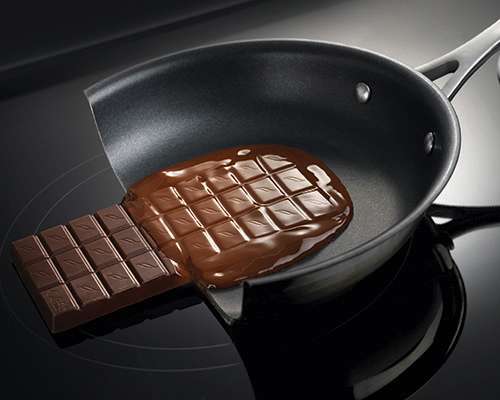
Adjust heat from full power to gentle simmer with one touch. Temperature changes occur within one second, matching or exceeding gas responsiveness. Hold precise low temperatures impossible on gas burners. Perfect for delicate sauces, chocolate work, or any technique requiring exact heat control.
Practical benefit: Consistent results every time. No more scorched hollandaise or seized chocolate.
Safety
Dramatically reduced burn risks
The cooking surface remains cool except directly beneath the pan where residual heat transfers. No open flames. No red-hot elements. Automatic shutoff when you remove cookware. Many models detect small objects like spoons and won't activate. Substantially safer around children and safer for cooks with mobility or vision limitations.
Practical benefit: Families with young children can cook with significantly reduced worry about burns.
Air Quality
Zero combustion products
Gas cooking releases nitrogen dioxide, carbon monoxide, formaldehyde, and other combustion products directly into your kitchen air. Studies link gas cooking to increased asthma rates, particularly in children. Induction produces none of these pollutants. Your kitchen air quality remains identical to when you're not cooking.
Practical benefit: Healthier indoor air, especially important for households with asthma or respiratory sensitivities.
Easy Cleaning
Flat surface, minimal baked-on mess
The smooth glass-ceramic surface has no grates, no drip pans, no crevices. Since the surface doesn't get extremely hot, spills don't carbonize and burn on as they would with traditional electric. Most messes wipe away with a damp cloth. For stubborn spots, specialized ceramic hob cleaner and a scraper handle it easily.
Practical benefit: Cleaning after cooking takes 2-3 minutes instead of 10-15 minutes with gas or electric.
Cool Kitchen
Minimal ambient heat generation
Traditional cooking methods heat your entire kitchen. Induction directs 85% of energy into the pan with minimal waste heat. Your kitchen stays comfortable even during extended cooking sessions. Particularly valuable in warm climates, small kitchens, or when cooking multiple courses.
Practical benefit: Comfortable cooking environment year-round without overwhelming your air conditioning.
Cookware Compatibility: What Works and What Doesn't
The magnet test answers everything
The Simple Rule
If a magnet sticks firmly to the bottom of your cookware, it will work with induction. If the magnet doesn't stick, it won't work. This simple test eliminates all guesswork.
Why magnetic materials matter: Induction works by inducing electrical currents in ferromagnetic materials. Non-magnetic materials like aluminium, copper, or non-magnetic stainless steel don't interact with the magnetic field sufficiently to generate heat.
Compatible Materials
Cast Iron
Excellent – Native Compatibility
Traditional cast iron and enamelled cast iron work perfectly with induction. Cast iron's high iron content makes it highly magnetic. Whether you're using vintage Lodge pans, Le Creuset enamelled pieces, or modern bare cast iron, induction performs brilliantly.
Tip: Cast iron's thermal mass means it heats more slowly but retains heat exceptionally well. Start at medium power to avoid thermal shock.
Magnetic Stainless Steel
Excellent – Most Common Choice
Stainless steel cookware containing sufficient iron content works perfectly. The challenge is that not all stainless steel is magnetic. Premium cookware manufacturers typically use 18/10 stainless steel (18% chromium, 10% nickel) for cooking surfaces, but incorporate a magnetic stainless steel base or magnetic disc for induction compatibility.
Tip: Always perform the magnet test. If unsure whether your stainless cookware is induction-compatible, check the base.
Carbon Steel
Excellent – Professional Favourite
Carbon steel woks, crepe pans, and paella pans work beautifully on induction. The material's responsiveness combines perfectly with induction's instant heat control. Particularly popular for Asian cooking techniques requiring rapid temperature changes.
Tip: Carbon steel's thin construction means it heats extremely quickly on induction. Monitor carefully to avoid overheating.
Induction-Ready Aluminium
Good – With Magnetic Base
Standard aluminium doesn't work with induction, but manufacturers solve this by bonding a magnetic stainless steel disc to the bottom of aluminium pans. This "induction disc" or "impact-bonded base" allows otherwise incompatible materials to work on induction hobs.
Tip: Look for "induction compatible" labels on aluminium cookware. The magnetic disc should cover the entire base for even heating.
Incompatible Materials (Unless Modified)
- Aluminium (without magnetic base): Won't work. Aluminium isn't ferromagnetic
- Copper (without magnetic base): Won't work. Pure copper isn't ferromagnetic
- Glass: Won't work. Completely non-magnetic
- Ceramic: Won't work. No magnetic properties
- Non-magnetic stainless steel: Won't work. Some premium stainless steels use non-magnetic alloys
The induction disc solution: Many premium aluminium and copper cookware lines now include magnetic stainless steel bases bonded to the bottom, making them induction-compatible whilst retaining their superior thermal properties.
Do You Need New Cookware?
Probably not as much as you think. Survey your existing pots and pans with a simple fridge magnet:
- Cast iron pieces: All work perfectly. Your Le Creuset collection is fine
- Most stainless steel: Likely 60-70% of your stainless cookware already works
- Non-stick pans: Many modern non-stick pans have magnetic bases. Test them
- Carbon steel woks: Work brilliantly, often better than on gas
Most households find they can use 60-80% of their existing cookware immediately. You'll only need to replace non-magnetic pieces, and you can do this gradually as needed rather than all at once.
Starting fresh? A basic induction-compatible cookware set (frying pan, saucepans, stockpot) costs £150-300 for quality pieces. This isn't substantially more than equivalent non-induction cookware.
Important: Pan Size and Positioning
For optimal performance, match pan size to burner size. Pans smaller than the induction coil work but sacrifice some efficiency. Most induction hobs automatically detect pan size and adjust the active heating zone accordingly.
Center the pan on the cooking zone. Seriously off-center positioning can trigger automatic shutoff safety features or reduce heating efficiency. You'll hear a tone or see a display warning if positioning is incorrect.
Safety and Health Considerations
Separating genuine concerns from misconceptions
Electromagnetic Field Safety
Induction cooking generates electromagnetic fields (EMF) at frequencies of 20-40 kHz. This falls in the intermediate frequency range, far below radio frequencies and orders of magnitude below visible light on the electromagnetic spectrum.
What the research actually shows:
- Field strength and distance: The magnetic field extends only 2-3 cm above the hob surface and decreases rapidly with distance. Standing 30 cm away, field strength drops to negligible levels
- International safety standards: Induction hobs comply with international EMF exposure guidelines. Testing by regulatory bodies in Europe, North America, and Asia consistently confirms safety for general use
- WHO position: The World Health Organization finds no conclusive evidence linking typical household EMF exposure (including induction cooking) to adverse health effects
- Comparison to other devices: EMF exposure from induction cooking is comparable to or less than mobile phones, electric shavers, or hairdryers
Pacemaker and Medical Implant Concerns
This is the one area requiring genuine caution. Research demonstrates that electromagnetic fields from induction hobs can potentially interfere with older pacemakers or implanted cardioverter defibrillators (ICDs), particularly:
- Unipolar pacing systems: Older pacemaker models with unipolar configuration show higher susceptibility to interference
- Left-sided implants: Pacemakers implanted on the left side of the chest face higher risk when leaning over induction hobs
- Proximity matters: Risk appears when the device is within 30 cm (12 inches) of an active induction zone
Practical recommendations if you have a pacemaker or ICD:
- Consult your cardiologist before using induction cooking
- Maintain at least 60 cm (2 feet) distance between your device and the hob
- Avoid leaning directly over active cooking zones
- Modern bipolar pacemakers (post-2010) generally have better shielding but still warrant caution
- Consider standard electric hobs as an alternative if your doctor recommends avoiding induction
Modern device improvements: Pacemakers manufactured after 2010 typically include substantially better EMF shielding. Many recipients of modern devices can safely use induction cooking with proper distancing. However, individual consultation with your cardiologist remains essential.
Safety Advantages Over Gas and Electric
Induction Safety Benefits
- Cool surface: Cooking zone doesn't get hot except from pan contact
- Automatic shutoff: No heat without proper pan detection
- No open flames: Eliminates fire hazards from gas
- No carbon monoxide: Zero combustion products
- Residual heat indicators: Display shows when surface is still warm from pan contact
- Pan-only heating: Putting your hand on the cooking zone (without pan) causes no heating
- Small object detection: Many models won't activate with spoons or small items
Gas Safety Concerns
- Open flame: Direct fire hazard from ignition sources
- Carbon monoxide: Combustion produces CO, particularly dangerous in poorly ventilated spaces
- Nitrogen dioxide: Respiratory irritant linked to increased asthma rates
- Gas leaks: Natural gas accumulation creates explosion risks
- Always hot: Flame remains dangerous throughout cooking
- Surrounding heat: Nearby objects and surfaces heat significantly
Safety doesn't mean foolproof: Whilst induction dramatically reduces burn risks compared to gas or electric, the cookware itself still gets extremely hot. Handles heat through conduction. Food and liquids reach dangerous temperatures. Standard cooking safety practices still apply – use oven mitts, keep children away from hot pans, and exercise normal caution around all hot objects.
Myth Busting: Common Misconceptions
Addressing the concerns that stop people from switching
Myth: "You need completely new cookware and everything you own will be useless"
Reality: Most households find 60-80% of their existing cookware already works with induction. Cast iron, enamelled cast iron, most stainless steel, and carbon steel pieces work perfectly. Only non-magnetic materials (pure aluminium, pure copper, glass, ceramic) require replacement. Test each piece with a magnet – if it sticks firmly to the base, it works. You'll likely only need to replace a few specific pieces rather than your entire collection.
Myth: "Induction can't match gas for high-heat cooking or wok techniques"
Reality: Induction delivers equivalent or superior high-heat performance. Professional chefs increasingly choose induction for its combination of maximum power output with instant control. Induction woks exist specifically for Asian cooking techniques and perform excellently. The instant response time actually exceeds gas – temperature changes occur within one second compared to several seconds for gas flames to adjust. Many professional restaurants now use induction exclusively.
Myth: "The electromagnetic fields are dangerous to your health"
Reality: Decades of research and testing by international regulatory bodies confirm induction cooking is safe for the general population. The electromagnetic field extends only 2-3 cm above the surface and complies with all international safety standards. EMF exposure from induction is comparable to mobile phones or electric shavers. The only genuine concern is for people with older pacemakers, who should maintain 60cm distance and consult their cardiologist. For everyone else, health risks are non-existent according to comprehensive research including WHO analysis.
Myth: "Induction hobs are too expensive and you'll never recover the cost"
Reality: Whilst initial purchase prices are higher (£200-500 more than equivalent gas or electric for built-in units), induction typically saves £35-130 annually in energy costs depending on cooking frequency. Over a 15-year appliance lifespan, energy savings often exceed the initial premium. Additionally, prices have dropped substantially – portable induction units now start under £50, and built-in hobs begin around £300. The total cost of ownership frequently favours induction, especially for frequent cooks.
Myth: "Induction is too complicated and difficult to learn"
Reality: Induction is actually simpler than gas or electric once you understand that heat is instant. The learning curve is minimal – within 2-3 cooking sessions, most people adapt completely. The main adjustment is that you don't need to preheat pans or wait for elements to respond. Power levels work similarly to gas flame settings. Digital controls are often clearer than traditional knobs. Children of families switching to induction typically adapt instantly because they have no ingrained habits to unlearn.
Myth: "The glass surface is fragile and will crack easily"
Reality: Modern glass-ceramic surfaces are engineered specifically for cooking and are exceptionally durable. They resist thermal shock, scratches, and impacts far better than you'd expect. Dropping a pan on the surface rarely causes damage (though it's not recommended). The surface is actually more durable than the enamel on traditional gas hobs. Proper care (avoiding dragging heavy pans, cleaning with appropriate products) ensures decades of use. Whilst glass can theoretically crack, it's uncommon with normal cooking use.
Myth: "You can't use your aluminium or copper cookware at all"
Reality: While pure aluminium and pure copper don't work directly on induction, most modern aluminium and copper cookware includes an induction-compatible base. Manufacturers bond a magnetic stainless steel disc to the bottom specifically for induction compatibility. Check the product specifications – many premium aluminium and copper lines now offer "induction-ready" versions. If your existing pieces don't have magnetic bases, induction converter discs (flat magnetic discs that sit between the hob and pan) provide a workaround, though with some efficiency loss.
Myth: "Induction makes annoying high-pitched noises constantly"
Reality: Quality induction hobs operate nearly silently. You may hear a quiet fan cooling the electronics and occasionally a slight humming from the electromagnetic field interaction with certain cookware (particularly thin stainless steel). This is far quieter than gas burner roar and comparable to the fan noise from convection ovens. The noise level varies with cookware quality – heavier, flat-bottomed pans tend to be quieter. Modern induction units have improved substantially in noise reduction compared to earlier models.
Induction vs Gas vs Electric: Complete Comparison
Head-to-Head Performance Analysis
| Feature | Induction | Gas | Electric Resistance |
|---|---|---|---|
| Energy Efficiency | 85% Winner | 40% | 75% |
| Boil Time (2L water) | 5.8 minutes Fastest | 8.3 minutes | 9.2 minutes |
| Temperature Control | Instant, precise Best | Very good, 2-3 sec delay | Slow, 15-30 sec delay |
| Safety | Cool surface, auto-shutoff Safest | Open flame, CO risk | Hot elements, slow cooling |
| Cleaning Ease | Flat surface, wipe clean Easiest | Grates, drip pans, crevices | Better than gas, but not flat |
| Air Quality Impact | Zero emissions Cleanest | CO, NO₂, formaldehyde | Zero emissions |
| Initial Cost | £300-1500+ | £200-1000+ Cheapest | £200-900+ |
| Running Costs | Lowest long-term Best Value | Highest (variable by region) | Moderate |
| Cookware Compatibility | Magnetic materials only | Universal Most Flexible | Universal |
| Installation | Plug-in (portable) or standard electric | Requires gas line | Standard electric |
| Power Outage Use | Requires electricity | Works without power Most Reliable | Requires electricity |
| Ambient Heat | Minimal Coolest | Significant heat output | Moderate heat output |
When Each Technology Makes Sense
Choose Induction If:
- Energy efficiency matters to you
- You want the fastest cooking available
- Kitchen air quality is a concern
- You have young children (safety)
- You cook frequently and want lower running costs
- Your cookware is mostly magnetic (or you're willing to upgrade)
- You value easy cleaning
- Precise temperature control matters
Consider Gas If:
- You already have gas lines installed
- Power outages are frequent in your area
- Gas is exceptionally cheap locally
- You own extensive non-magnetic cookware you don't want to replace
- You strongly prefer visible flame feedback
- Initial purchase cost is paramount
- Good ventilation is already installed
Consider Electric Resistance If:
- Budget is extremely tight
- You want universal cookware compatibility
- Induction isn't available in your region
- You have a pacemaker and need to avoid EMF
- Simplicity trumps performance
Common Brands and What We Stock
Induction-Compatible Cookware at Art of Living
We stock comprehensive ranges of induction-ready cookware from premium manufacturers who've perfected magnetic compatibility without sacrificing performance:
Le Creuset
Enamelled Cast Iron Excellence
- 100% induction compatible
- Lifetime warranty
- Superior heat retention
- Cast iron and 3-ply ranges
- Perfect for slow cooking and braising
Demeyere
Belgian Engineering Precision
- Specifically optimized for induction
- Atlantis and Industry5 ranges
- Exceptional heat distribution
- Professional performance
- 30-year warranty
Samuel Groves
British Craftsmanship Since 1817
- Tri-ply stainless construction
- Induction-optimized bases
- Professional quality
- Made in Birmingham
- 25-year guarantee
GreenPan
Healthy Non-Stick Options
- Ceramic non-stick coating
- Magnetic stainless base
- PFAS-free
- Excellent heat response
- Dishwasher safe
School of Wok
Carbon Steel for Asian Cooking
- Authentic wok cooking on induction
- Ultra-responsive carbon steel
- Flat-bottomed for hob compatibility
- Develops natural patina
- Professional Asian techniques
Netherton Foundry
Traditional Spun Iron
- Hand-spun in Shropshire
- Naturally non-stick when seasoned
- Perfect induction compatibility
- Lightweight compared to cast iron
- Heirloom quality
Your Induction Cooking Questions Answered
How long do induction hobs last compared to gas or electric?
Induction hobs typically last 10-15 years with normal use, comparable to quality gas or electric hobs. The glass-ceramic surface is durable and resistant to damage. Electronics are the component most likely to require service, but quality brands design for longevity. Le Creuset, Demeyere, and other premium cookware used on induction typically outlasts the hob itself, often lasting 25+ years or even lifetime with proper care. Regular cleaning and avoiding thermal shock (don't place frozen items directly on the surface) maximize lifespan.
Can I use my cast iron or Le Creuset on induction?
Absolutely yes. All cast iron cookware – whether bare cast iron, enamelled cast iron from Le Creuset, Staub, or any other manufacturer – works perfectly with induction. Cast iron's high iron content makes it exceptionally magnetic and ideal for induction cooking. The combination of induction's instant heat control with cast iron's superior heat retention produces excellent results. Start at medium power settings since cast iron retains heat so effectively, and avoid thermal shock by not going from high heat to cold water immediately.
Will induction work if I have a pacemaker?
This requires caution and consultation with your cardiologist. Research shows that electromagnetic fields from induction hobs can potentially interfere with some pacemakers, particularly older unipolar models or left-sided implants. Modern pacemakers (post-2010) generally have better shielding. If you have a pacemaker, maintain at least 60cm (2 feet) distance from the hob during use, avoid leaning over active cooking zones, and consult your cardiologist before using induction cooking. Many pacemaker recipients can safely use induction with proper precautions, but individual medical advice is essential. Standard electric hobs may be a safer alternative depending on your specific device and circumstances.
Is induction cheaper to run than gas?
In most regions, yes. Induction is approximately three times more efficient than gas (85% vs 40% energy efficiency). For a household cooking two meals daily, induction typically saves £100-130 annually compared to gas, assuming electricity at £0.40/kWh. Over a 15-year appliance lifespan, this amounts to £1,500-1,950 in energy savings. However, the actual savings depend on your local gas and electricity rates. In regions where gas is exceptionally cheap or electricity unusually expensive, the cost advantage may be smaller. Regardless of energy costs, induction consistently delivers superior speed, control, and performance compared to gas.
Do I need to replace all my pots and pans?
Probably not. Test each piece with a refrigerator magnet – if the magnet sticks firmly to the base, the cookware works with induction. Most households find 60-80% of their existing cookware is already compatible. Cast iron, enamelled cast iron, carbon steel, and most stainless steel pans work perfectly. Only non-magnetic materials (pure aluminium, pure copper, glass, ceramic, some non-magnetic stainless steel) won't work. Many people discover they only need to replace 2-4 specific pieces rather than their entire collection. Additionally, if you have valuable copper or aluminium pieces, induction converter discs (flat magnetic discs placed between hob and pan) provide a workaround, though with some efficiency loss.
Can induction match the high heat of gas for searing or stir-frying?
Yes, induction typically exceeds gas for high-heat cooking. A quality induction hob delivers 2000-3000 watts per burner, equivalent to or greater than most domestic gas burners. The efficiency advantage means more of that power reaches your food rather than heating the air around the pan. Professional chefs increasingly choose induction for searing and wok cooking because it combines maximum power with instant control. Carbon steel woks designed for induction (flat-bottomed models) perform excellently for stir-frying. The instant response time – temperature changes occur within one second – actually surpasses gas.
What happens if the power goes out? Can I still cook?
No, induction requires electricity to operate. If power outages are frequent in your area, this is a genuine disadvantage compared to gas, which works without electricity. Consider keeping a portable camping stove for emergency cooking, or install a whole-house generator if power reliability is a serious concern. For most households where outages are rare and brief, this isn't a practical limitation. The efficiency, performance, and safety benefits of induction outweigh the occasional inconvenience of power-dependent operation.
How difficult is it to clean an induction hob?
Extremely easy – induction is the easiest cooking surface to clean. The flat glass-ceramic surface has no grates, no burners, no crevices. Since the surface doesn't get extremely hot (only warming from contact with hot pans), spills rarely burn on and carbonize as they would with traditional electric. Most messes wipe away immediately with a damp cloth. For stubborn spots, use specialized ceramic hob cleaner and a scraper blade designed for glass cooktops. Cleaning after cooking typically takes 2-3 minutes compared to 10-15 minutes for gas hobs with grates and drip pans. Regular cleaning (wiping after each use) prevents buildup and keeps the surface looking new for years.
Does induction make your kitchen hotter like gas cooking does?
No, induction generates minimal ambient heat. Traditional gas cooking releases massive amounts of waste heat into your kitchen – up to 60% of the energy goes into heating the room rather than your food. Induction directs 85% of energy into the pan with very little waste heat. Your kitchen stays comfortable even during extended cooking sessions. This is particularly valuable in warm climates, small kitchens without good ventilation, or when preparing multiple courses. The lack of ambient heat also reduces air conditioning costs in summer, adding to induction's energy efficiency benefits.
Can you use induction with a wok for authentic Asian cooking?
Yes, with the right wok. Traditional round-bottomed woks don't work on flat induction surfaces, but flat-bottomed woks specifically designed for induction perform excellently. Carbon steel flat-bottomed woks heat extremely quickly on induction and respond instantly to temperature changes, matching or exceeding gas for stir-frying techniques. The School of Wok brand offers authentic carbon steel woks optimized for induction that deliver professional results. Many Asian families who've switched to induction report equal or superior results once they adapt their technique to the instant temperature control induction provides.
How much does it cost to install an induction hob?
Installation costs vary widely depending on your specific situation. For portable induction units, there's no installation – simply plug into a standard outlet and start cooking. For built-in hobs, if you're replacing an existing electric hob with similar dimensions, installation is straightforward and typically costs £100-200 for an electrician to connect. If you're converting from gas to induction, costs increase because you'll need to cap the gas line (£100-150) and potentially upgrade your electrical circuit if it's inadequate for the hob's power requirements. In new construction or major renovations, installing electric for induction is often cheaper than running gas lines. Always use qualified electricians for built-in hob installation to ensure safety and warranty compliance.
Are there portable induction units I can try before committing?
Yes, portable single-burner induction units start around £40-80 and offer an excellent way to try the technology before investing in a full built-in hob. These plug into standard outlets and let you experience induction's speed, control, and efficiency. Many people start with a portable unit to determine whether they like induction cooking, then upgrade to built-in hobs later. Portable units are also useful as supplemental burners during large gatherings or for specialized tasks. Quality portable models from established brands deliver genuine induction performance, though they typically max out at 1800-2000 watts compared to 2500-3600 watts for built-in burners.
Making the Switch: Practical Advice
Our Recommendation After 50+ Years in Cookware
Induction cooking represents the most significant advancement in home cooking technology in decades. After selling cookware since 1972 and watching countless cooking trends come and go, we're convinced induction is the future for most households.
The technology has matured. Prices have dropped. Cookware selection is excellent. Energy costs make efficiency matter more than ever. Environmental concerns about gas combustion are legitimate. And the performance genuinely exceeds traditional methods in almost every measurable way.
Who Should Switch to Induction Now
- Families with young children: The safety benefits alone justify the switch
- Frequent cooks: Energy savings recover the initial investment within 5-7 years
- Those with respiratory sensitivities: Eliminating combustion products improves air quality substantially
- Anyone building or renovating: Installing electric for induction is often cheaper than running gas lines
- Cooks who value precision: Professional-level temperature control at home
- Environmentally conscious households: Dramatically lower energy consumption and zero combustion emissions
Who Might Want to Wait
- Pacemaker recipients: Consult your cardiologist first; standard electric may be safer
- Areas with frequent power outages: Gas provides cooking capability during outages
- Extensive non-magnetic cookware investment: If you own £1000+ in premium copper or aluminium without magnetic bases, replacement costs become substantial
- Regions with very cheap gas, very expensive electricity: Energy savings may be minimal in these unusual markets
How to Start
Option 1: Try before committing
Purchase a portable induction unit (£40-80) and use it for several weeks. Test your existing cookware with a magnet. Experience the speed and control. Determine whether you like the technology before investing in a built-in hob.
Option 2: Gradual transition
If building or renovating, install induction. Replace non-compatible cookware gradually as pieces wear out rather than all at once. Most households need to replace only 20-40% of their cookware immediately.
Option 3: Full commitment
If your current hob needs replacement anyway, choose induction. Invest in a basic set of induction-compatible cookware (£150-300 for quality pieces). Start cooking and adapt within days. The learning curve is minimal.
Why Buy From Art of Living Cookshop?
Founded in Reigate in 1972, we've spent over five decades helping customers select cookware that genuinely improves their cooking. We were twice nominated for the Excellence in Housewares award for customer care.
We stock induction-compatible cookware from manufacturers who've perfected magnetic compatibility: Le Creuset, Demeyere, Samuel Groves, GreenPan, School of Wok, Netherton Foundry. These aren't generic "induction-ready" pans – they're premium cookware engineered specifically to excel on induction hobs.
Our Guarantees to You
- No Quibble Returns – Even Used Items (if cookware doesn't perform as expected on your induction hob, return for full refund)
- Half-Price Accidental Damage Replacement (2 Years) – We'll replace accidentally damaged cookware at half price
- Price Match Guarantee – Found it cheaper elsewhere? We'll match the price
- Expert Advice – Our team understands induction compatibility intimately and can guide you toward cookware that will perform beautifully
Visit Us
See induction-compatible cookware in person and test pieces with magnets at our locations:
- Reigate Shop: Our original location with comprehensive induction cookware display
- Cobham Shop: Complete ranges available
- Redhill Warehouse: Collection available
Questions about induction compatibility? Visit our contact page or call to speak with our experienced team about which cookware suits your specific needs.
The Bottom Line: Should You Switch to Induction?
Final Verdict
Induction cooking delivers measurable advantages in efficiency (85% vs 40% for gas or 75% for electric), speed (boils water in 40% less time), safety (cool surface, no combustion products), and convenience (easy cleaning, precise control). The technology has matured beyond early limitations, costs have dropped substantially, and cookware compatibility is far better than most people realize.
The initial investment is higher – expect to pay £200-500 more for equivalent quality compared to gas or standard electric. Most households also need to purchase some new cookware, though this is typically 20-40% of their collection rather than complete replacement.
Energy savings of £35-130 annually mean induction typically pays for itself over its 15-year lifespan. Beyond financial considerations, the performance advantages and safety benefits justify the switch for most households.
Three key questions determine whether induction suits you:
- Do you have any pacemaker concerns? If yes, consult your cardiologist first
- Are power outages frequent where you live? If yes, this is a genuine limitation
- Is your existing gas or electric hob working perfectly with years of life remaining? If yes, perhaps wait until it needs replacement anyway
For everyone else – families with young children, frequent cooks, environmentally conscious households, anyone building or renovating, people with respiratory sensitivities – induction delivers superior results and justifies the investment.
The future of home cooking is electromagnetic. After 50+ years selling cookware, we're confident recommending induction to most customers who ask. The technology genuinely works.

Thanks for the information, I was able to learn more about commercial induction stoves from here.
Leave a comment