

Le Creuset Toughened Non-Stick Shallow Frying Pan


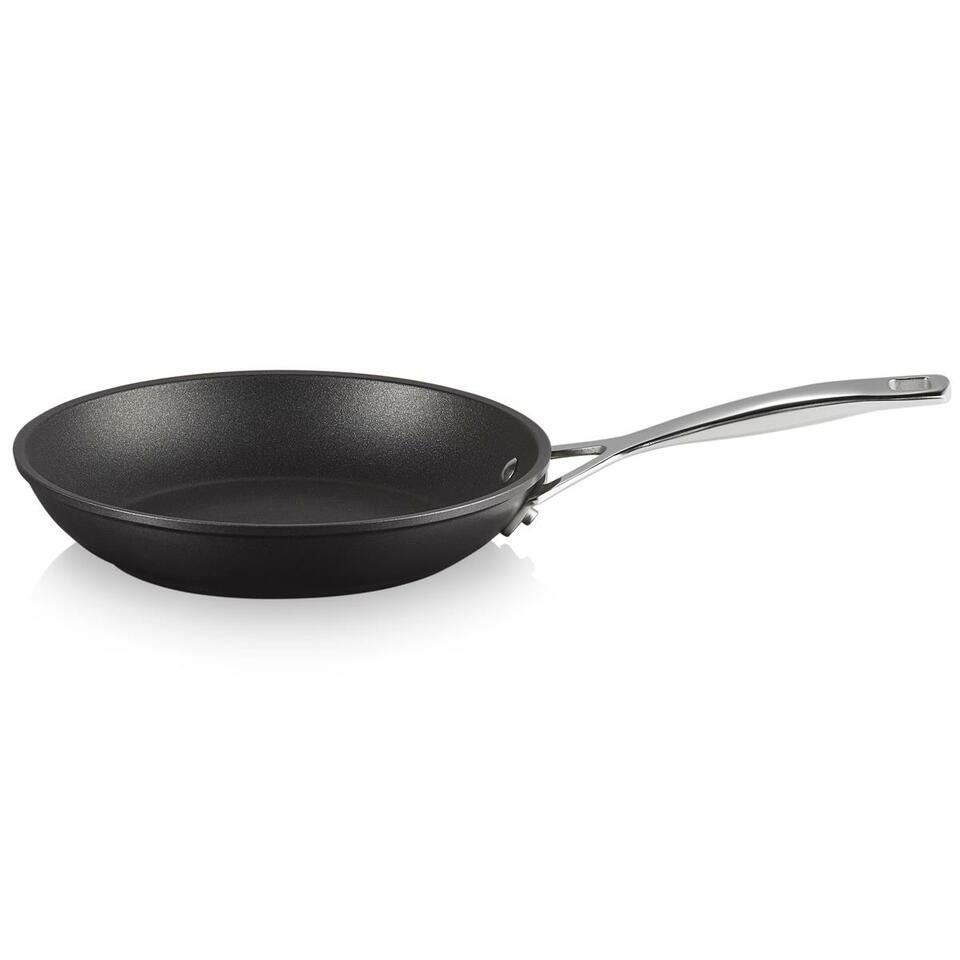
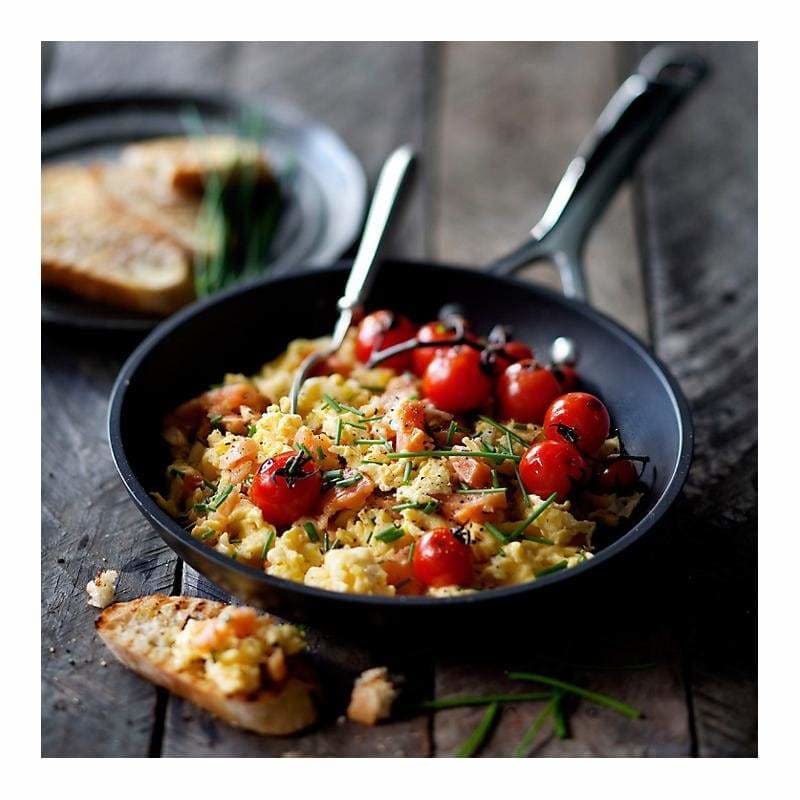
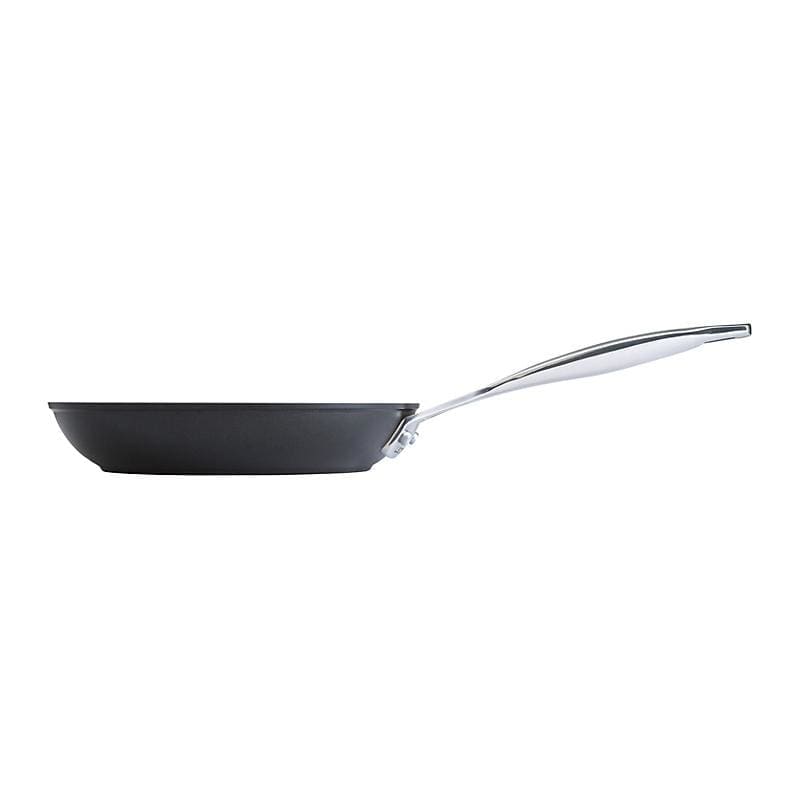
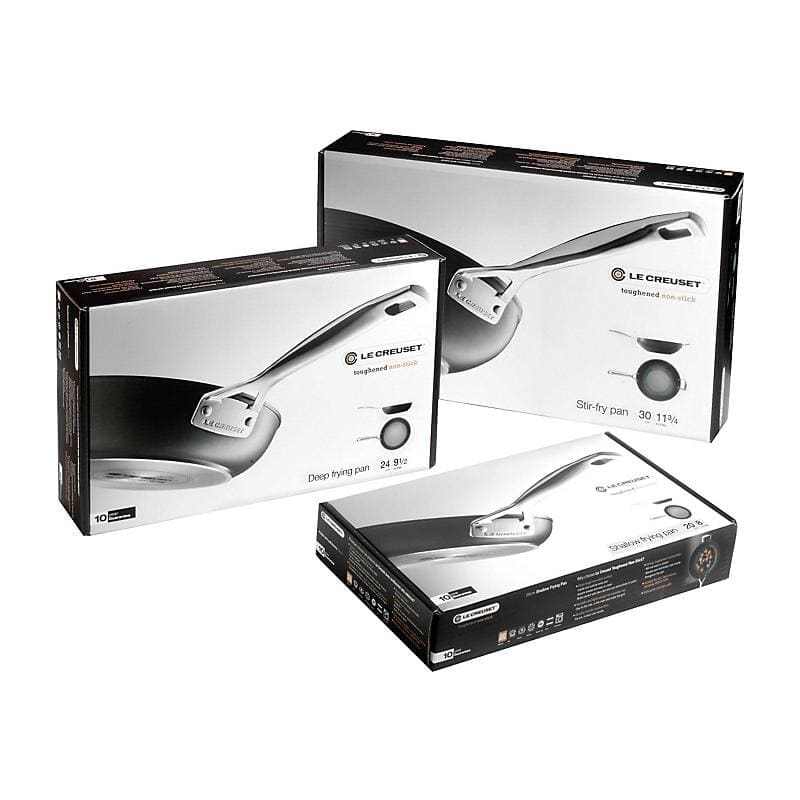
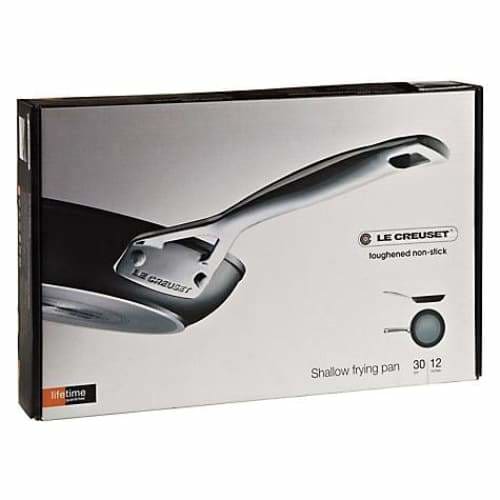
Le Creuset Toughened Non-Stick Shallow Frying Pan
- In stock, ready to ship
- Inventory on the way
- Free Mainland UK delivery over £49 - No Quibble Returns
Le Creuset Toughened Non-Stick Shallow Frying Pan
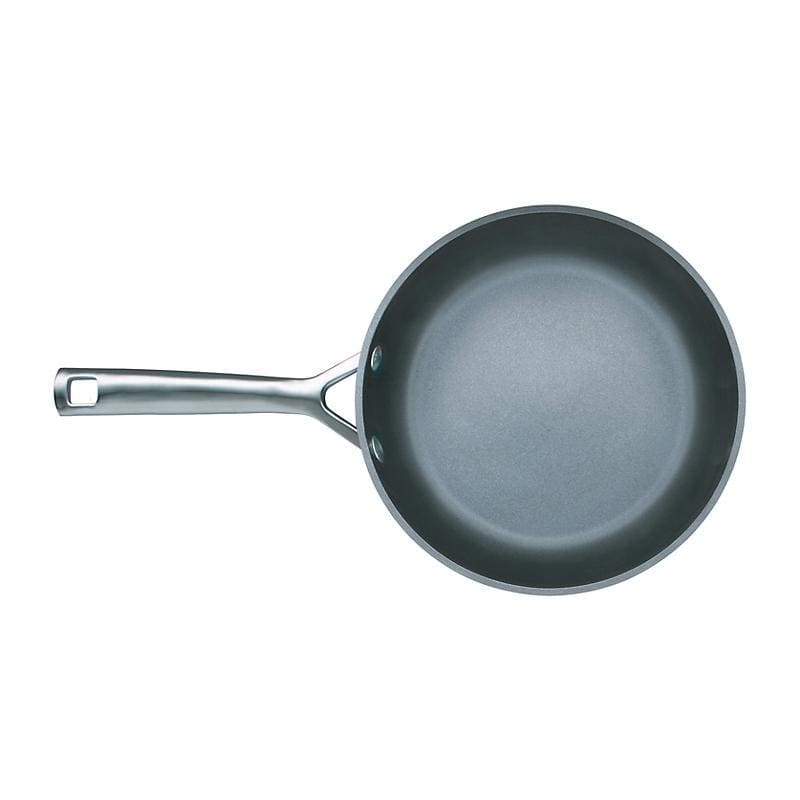
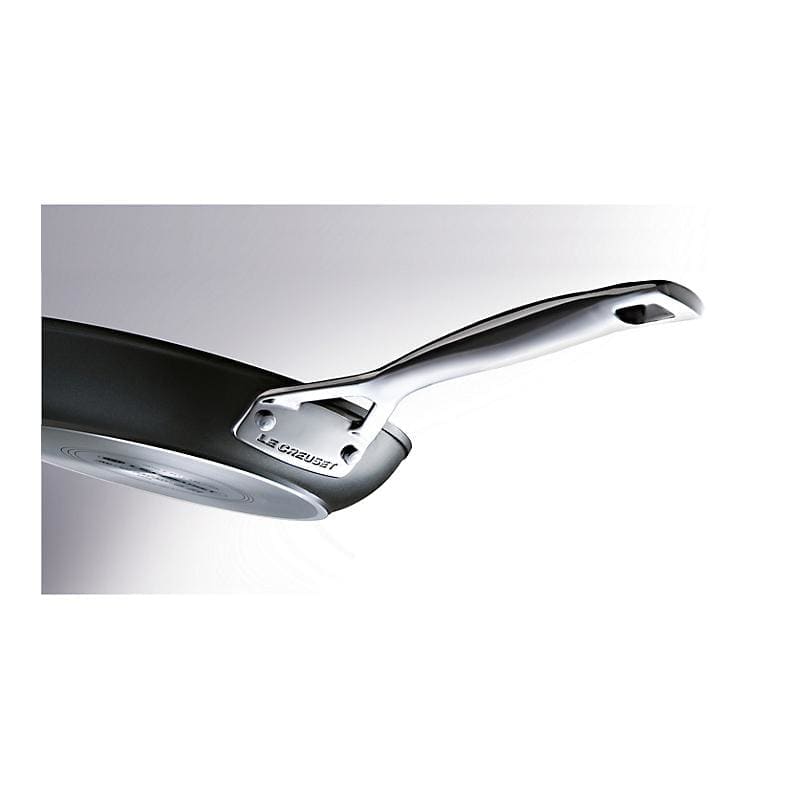
This versatile shallow frying pan represents Le Creuset's most advanced non-stick technology applied to an everyday essential. The hard anodised forged aluminium construction combines exceptional durability with superior heat conduction - hard anodising creates a surface that's harder than stainless steel whilst maintaining aluminium's excellent heat-spreading properties that prevent the dangerous hot spots responsible for burnt food and destroyed non-stick coatings.
Available in six sizes from 20cm to 30cm, this pan addresses every cooking scenario from single-serve omelettes to family meals. The three reinforced non-stick layers, applied to both interior and exterior surfaces, have been independently tested to be four times stronger than previous versions - yet like all PTFE-based coatings, they require proper care to deliver their promised longevity. The shallow design with clean lines and sleek appearance makes this an attractive addition to any kitchen, whilst the cooktop versatility and oven capability to 260°C extend its usefulness beyond basic frying. Key features include:
- Hard anodised aluminium: Exceptionally durable surface with superior heat conduction
- 4x stronger non-stick: Independently tested for improved abrasion resistance
- Even heat distribution: No hot spots that burn food or damage coating
- Six size options: 20cm, 22cm, 24cm, 26cm, 28cm, 30cm for every cooking need
- Lifetime guarantee: Le Creuset's confidence in lasting quality with proper care
- All cooktop compatibility: Including induction, gas, electric, and ceramic
- Oven safe to 260°C: Or 220°C with Le Creuset glass lid (sold separately)
- Interior and exterior non-stick: Easy cleaning inside and out
- Shallow design: Versatile shape for frying, sautéing, and quick cooking
This is designed for everyday cooking, anyone seeking a reliable pan that handles everything from morning eggs to evening stir-fries, or households wanting professional-quality cookware that delivers consistent results when cared for properly.
Critical Care Information for Non-Stick Cookware
Non-stick coatings require specific care to maintain their properties and longevity. Following these guidelines is essential:
- Never use high heat: Overheating is the single biggest destroyer of non-stick coatings, causing permanent and instant damage at 350°C
- Never use dishwasher: Harsh chemicals will deteriorate the coating regardless of manufacturer claims
- Reduce heat by 25-30%: Most people use far too much heat - lower settings give better results and dramatically extend coating life
- Use silicone or wooden utensils: Metal utensils not recommended but can be used with extreme care
- Wash thoroughly after every use: Hot soapy water is essential - never just wipe clean
Choosing Your Pan Size
20cm: Ideal for single servings, small omelettes, or heating sauces. Perfect for solo cooks or preparing children's meals. Most compact for storage.
22cm: Versatile size for 1-2 people. Handles two eggs, single-portion stir-fries, or small quantities of vegetables. Good balance of capacity and storage.
24cm: The most popular all-purpose size for 2-3 people. Accommodates three-egg omelettes, pair of chicken breasts, or vegetables for small families. Fits most hob rings comfortably.
26cm: Excellent for families of 3-4. Provides space for four eggs, multiple protein portions, or generous vegetable quantities without overcrowding. Still manageable for everyday use.
28cm: Large family size for 4-5 people. Ideal for batch cooking, larger cuts of meat, or when you need substantial cooking surface. Requires larger hob rings for optimal performance.
30cm: Professional capacity for large households or entertaining. Best for batch cooking, whole fish, or when cooking for groups. Ensure your hob has appropriately sized rings before selecting this size.
Important consideration: Match pan diameter to your hob ring sizes. Using wrong-sized rings creates hot spots that damage non-stick coatings and cook food unevenly. This is especially critical on induction hobs.
What Customers Ask About Le Creuset Toughened Non-Stick Frying Pans
Can I use metal utensils with this frying pan?
Metal utensils are not recommended. Whilst Le Creuset's 4x stronger coating is tested for metal utensil abrasion resistance, the coating is only microns thick and metal utensils can damage it permanently. For longest coating life, use silicone, wooden, or soft nylon utensils. If you must use metal, do so with extreme care - no harsh scraping or knocking on the rim.
What size frying pan should I choose?
20cm suits single servings or small omelettes. 24cm is the most versatile for 2-3 people. 26cm or 28cm work well for families of 4. 30cm is ideal for larger households or batch cooking. Consider your hob ring sizes - matching pan diameter to ring size ensures even heating and prevents coating damage from hot spots.
Should I put this in the dishwasher?
Never put non-stick cookware in the dishwasher. The harsh chemicals and high heat will deteriorate the coating over time, regardless of manufacturer claims of dishwasher safety. Always hand wash in hot soapy water after every use - this is essential for maintaining the non-stick properties and preventing carbonised grease buildup.
Can I use high heat for searing?
Never use high heat with non-stick cookware, even for searing. The hard anodised aluminium conducts heat so efficiently that medium heat provides excellent searing results. High heat destroys the coating permanently at 350°C - damage occurs instantly and irreversibly. Most people use 25-30% too much heat. Reduce settings for better results and dramatically longer pan life.
Will this work on my induction hob?
Yes, suitable for all cooktops including induction. On induction hobs with settings 1-9 plus boost, never exceed level 7 to protect the non-stick coating. Avoid using the 'boost' function. Match the pan size to your hob ring size for best results - this is especially important on induction where wrong-sized rings may prevent recognition or create dangerous hot spots.
Why does food stick to my non-stick pan?
Food sticking indicates either coating damage from overheating or carbonised grease buildup from inadequate cleaning. Overheating destroys the coating permanently at 350°C. Inadequate washing allows invisible grease residue to carbonise over time, creating a film that prevents non-stick from working. Always wash thoroughly in hot soapy water after every use - never just wipe clean.
What is hard anodised aluminium?
Hard anodising is an electrochemical process that hardens the aluminium surface, making it exceptionally durable and scratch-resistant. It creates excellent heat conduction and distribution, preventing hot spots that burn food and damage non-stick coatings. Hard anodised aluminium combines durability with the superior heat-spreading properties that make aluminium ideal for non-stick cookware.
Can I preheat this pan empty?
Never preheat non-stick pans empty for extended periods. Empty pans overheat many times faster than pans with oil or food because heat has nowhere to go and builds up rapidly. For fat-free cooking, preheat on medium heat for around 2 minutes maximum, then add food immediately. Never leave empty pans unattended on heat.
Specifications
Care & Use Instructions
Before first use: Remove all labels and packaging. Wash in warm, soapy water, then rinse and dry thoroughly. This removes any manufacturing residue and prepares the non-stick surface for cooking.
Understanding Non-Stick Coating Temperature Limits
Critical temperature information: PTFE-based non-stick coatings are permanently destroyed at 350°C - instantly and irreversibly. The best coatings begin deteriorating at 270-280°C. Normal cooking occurs at 170-230°C. The gap between proper cooking temperature and coating destruction is smaller than most people realise, which is why heat management is crucial.
Most people use too much heat: Reduce your normal heat settings by 25-30% from what you think you need. The hard anodised aluminium in this pan conducts heat so efficiently that you need less heat than you'd use with inferior cookware. You'll get better cooking results, lower energy bills, and your pan will last years instead of months. High heat provides no cooking benefit - it simply destroys the coating.
Heat Settings and Hob Use
General heat advice: Always use medium to low heat, even for frying and searing. Let the pan heat up gradually - the superior heat conduction means patience is rewarded with even cooking and perfectly seared food. High heat is never necessary and will permanently damage the coating.
Induction hob settings: On induction hobs with settings 1-9 plus boost, never exceed level 7. The 'boost' function should not be used with non-stick cookware. Induction heats very rapidly, making it easy to accidentally overheat and destroy the coating. Start at level 4-5 and increase gradually only if needed.
Choosing the right hob ring: Use the most appropriately sized hob ring for the pan size. A 24cm pan needs a similar-sized ring for even heating. Wrong-sized rings create hot spots that burn food and damage the coating. This is especially important on induction hobs - incorrect ring size may prevent the hob recognising the pan or create dangerous temperature variations.
Empty pans overheat rapidly: Never leave the pan heating empty on the hob. Empty pans overheat many times faster than pans with oil or food because heat has nowhere to go and builds up rapidly. For fat-free cooking, preheat on medium heat for around 2 minutes maximum, then add food immediately. Never leave empty pans unattended on heat.
Using oils correctly: Using oils with low smoke points (flashpoints) at high temperatures will create carbonised grease that makes food stick and is almost impossible to remove. Use oils appropriate for your cooking temperature, or better yet, reduce your heat so any cooking oil works properly. At 350°C, oil starts smoking - meaning you've broken down its structure and destroyed your pan's coating simultaneously.
Using Utensils
Recommended utensils: Use Le Creuset silicone tools, wooden utensils, or soft nylon implements. These will not damage the coating even with firm use.
Metal utensils - not recommended: Whilst Le Creuset states their coating is tested for metal utensil resistance, metal utensils are not recommended. The coating is only microns thick - even with reinforcement, it remains vulnerable. If you must use metal utensils, use extreme care: no harsh scraping, no knocking on the rim, no cutting in the pan. A single moment of carelessness can permanently damage the coating.
Never use: Electric beaters, blenders, knives, or any sharp implements inside the pan. These will damage the surface immediately.
Oven Use
Oven safety: The pan is oven safe to 260°C without a lid, or 220°C with a Le Creuset glass lid (sold separately). Always place on a shelf or rack, never on the oven floor which increases temperature unpredictably. When using under the grill, maintain at least 5cm gap between the heat source and the top of the pan.
Hob-to-oven techniques: The shallow design and oven capability make this excellent for starting dishes on the hob and finishing in the oven. Sear meat on medium heat, then transfer directly to a moderate oven. This versatility is one of the pan's greatest strengths.
Cleaning - Critical for Longevity
Why thorough cleaning matters: Non-stick cookware must be washed thoroughly in hot soapy water after every use. The old practice of "just wiping pans clean" applies only to traditional cast iron, not modern non-stick. Inadequate cleaning is the second biggest cause of non-stick failure after overheating.
What happens with inadequate cleaning: Invisible grease residue carbonises over time, creating a film on the surface that prevents the non-stick from working. Food then sticks even though the coating underneath is intact. This carbonised grease is almost impossible to remove without damaging the coating. Prevention through proper washing is essential.
Proper washing method: Allow the pan to cool for a few minutes after cooking. Never plunge hot aluminium into cold water - thermal shock can damage it. Once cooled slightly, wash in hot soapy water using a soft cloth, sponge, or nylon brush designed for non-stick surfaces. The non-stick coating on both interior and exterior makes cleaning effortless when done promptly.
For stubborn residue: If food residue remains, don't use abrasive cleaners or harsh pads. Fill with warm soapy water and let soak for 15-20 minutes, then wash as normal. With proper heat management, stubborn residue should be rare.
Never use the dishwasher: Whilst Le Creuset states this pan is dishwasher safe, never put non-stick cookware in the dishwasher. The harsh chemicals and high heat deteriorate the coating over time, reducing its effectiveness and lifespan. Hand washing in hot soapy water is quick, easy, and essential for maintaining the non-stick properties.
Glass-topped hobs: Never slide the pan on glass hob surfaces as this may damage both the pan base and the glass. Always lift on and off or across the surface.
What to avoid: Never use abrasive cleaning agents, metal scourers, harsh abrasive pads, or very stiff brushes on any surface. Don't use knives or sharp implements inside the pan. Avoid thermal shock from extreme temperature changes. Don't allow the pan to overheat or leave it unattended on heat.
Storage
Protecting the coating: Store carefully to avoid scratching the non-stick surface. If stacking, place a cloth, paper towel, or pan protector between items. Ensure the pan is completely dry before storage to prevent any moisture-related issues.
Why Non-Stick Pans Fail - Expert Insight
After five decades in the cookware business, we've learned that most non-stick pans fail not because they're poorly made, but because we destroy them. Here's what kills non-stick coatings:
1. Overheating (the biggest killer): PTFE coatings are destroyed instantly at 350°C. This happens far faster than damage from scratches. Most of us use too much heat - reduce settings by 25-30% for dramatically longer pan life. The hard anodised aluminium in this pan conducts heat so efficiently that you need less heat than you think.
2. Inadequate cleaning: Not washing thoroughly after every use causes invisible grease to carbonise, creating a film that makes food stick. This is preventable but almost impossible to fix once it occurs. Hot soapy water after every use is non-negotiable.
3. Dishwasher use: Harsh chemicals gradually degrade the coating despite manufacturer claims of dishwasher safety. Hand washing takes 30 seconds and extends pan life by years.
4. Metal utensils: Even reinforced coatings are only microns thick and vulnerable to metal damage. Silicone and wooden utensils cost pennies and protect your investment.
Follow proper care guidelines and this pan will serve you for years. Heat management and thorough cleaning are more important than the coating quality itself. Treat it well, and it will reward you with reliable performance every time you cook.
Why Buy From Art of Living?
Founded in Reigate in 1972, we've been Le Creuset specialists for decades, helping customers select cookware that lasts when cared for properly. We've been twice nominated for the Excellence in Housewares award for customer care.
Our Guarantees to You
- ✓ No Quibble Returns - Even Used Items
- ✓ Half-Price Accidental Damage Replacement (2 Years) - Including Overheating
- ✓ Price Match Guarantee
- ✓ Le Creuset Lifetime Manufacturer Guarantee
Our Half-Price Replacement covers accidental damage including overheating. We understand that accidents happen, kitchens are hectic, and even careful cooks occasionally make mistakes. If you accidentally overheat or damage this pan within 2 years of purchase, we'll replace it at half the current retail price - no quibbling.
Read our full guarantee policy →
Questions? Visit our contact page or call us for advice on making your cookware last.
Frequently Asked Questions
What if I've used it and don't like it?
Return it anyway. Our no quibble guarantee covers used items - if it doesn't do what you wanted, we'll refund you. This applies even after you've used it.
How does the Half-Price Replacement guarantee work?
Valid for 2 years from purchase date. If you accidentally break this item, we'll replace it at half price with proof of purchase and evidence of breakage. Photos of the damage are acceptable. This is in addition to Le Creuset's lifetime manufacturer guarantee and covers accidental damage including overheating.
How long does delivery take?
Standard delivery to mainland UK addresses can take up to 7 working days, but is usually 3-4, and is free for orders over £49. Next day delivery may be available for £9.95 on orders placed before 1pm Monday to Thursday, depending on your location and our stock levels. You can also collect from our shops in Cobham or Reigate, or our warehouse in Redhill.