

Guide to Silverwood Bakeware

Andi Healey
Web Manager
Multi Award-Winning British Bakeware Explained
Essential Information
- What It Is: Handcrafted anodised aluminium bakeware that develops a natural non-stick patina with use
- Key Benefit: Superior heat distribution eliminates hot spots and soggy bottoms – natural non-stick improves over time
- Perfect For: Serious bakers seeking professional-quality results – chosen by GBBO, celebrity chefs and professionals
- Care: Hand wash only, never dishwasher. Reduce oven temp by 10-15°C. Light discolouration is normal and desirable
- Lifetime Investment: 25-year guarantee, will never peel, blister, warp or rust. A Silverwood tin is with you for life
Jump to Section
The Silverwood Difference
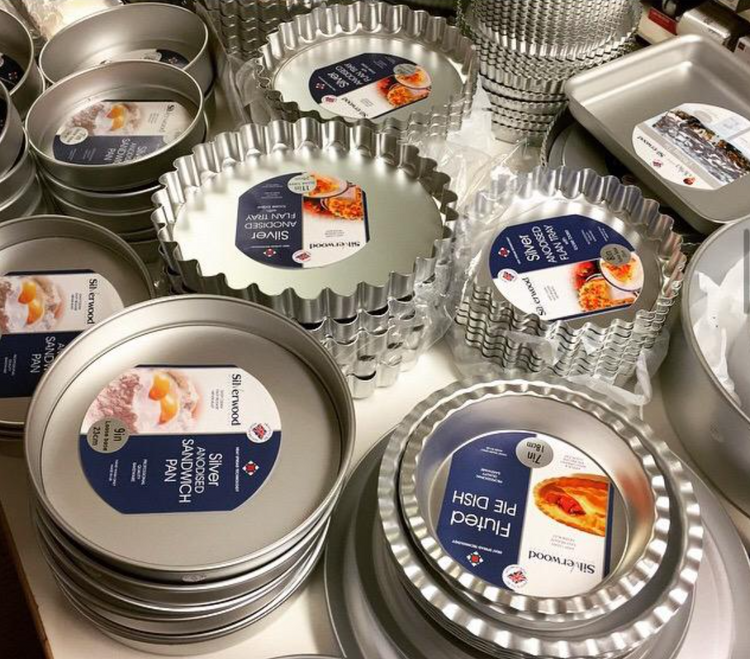
Silverwood's multi award-winning bakeware represents the pinnacle of British craftsmanship. Handcrafted using superior quality materials, Silverwood has been the professionals' choice for decades – regularly appearing on shows like Great British Bake Off, Masterchef, and Great British Menu.
Why Professionals Choose Silverwood
Superior Heat Distribution
Aluminium gives the ultimate in heat distribution throughout the whole tin. The core draws in all available heat and distributes it evenly, meaning no hot or cool spots – so no more burnt bits or soggy bottoms.
Lightweight Yet Durable
Despite professional-grade construction, Silverwood tins are surprisingly lightweight and easy to handle. The anodised finish makes them much tougher than standard aluminium whilst remaining manageable.
Faster Baking Times
Aluminium reaches baking temperatures faster than other materials – a critical ingredient of the perfect bake. You can often reduce oven temperatures by 10-15°C and check progress after 2/3 of normal cooking time.
Quick Cooling
The same excellent heat conductivity means your bakes cool quicker too. This helps prevent over-baking from residual heat and allows you to turn out delicate bakes sooner.
Heat Spread Technology
Silverwood coined the term "Heat Spread Technology" to describe their tins' exceptional thermal properties. This technology works both ways – drawing heat in for faster, more even baking, and conducting it away for efficient cooling. The same properties make Silverwood ideal for freezing, with quick, efficient in-the-tin freezing and defrosting.
Anodised Aluminium Explained
All Silverwood bakeware is deliberately uncoated but undergoes a process called silver anodising. This electrochemical process hardens and seals the core aluminium, creating the distinctive Silverwood colour and a smooth, easy-release surface that's much tougher than raw aluminium.
What is Anodising?
Anodising is an electrochemical process that converts the surface of the aluminium into a durable, corrosion-resistant finish. Unlike coatings that sit on top of the metal (and can therefore peel, blister or flake off), anodising actually transforms the surface of the aluminium itself.
Key Advantages of Anodised Aluminium
- Never Peels or Blisters: Because the anodised layer is part of the metal itself, not a coating, it cannot peel, blister, or flake off
- Won't Warp: The process creates a harder, more stable surface that resists warping even with repeated heating cycles
- Won't Rust: The anodised layer seals the aluminium, preventing corrosion and rust formation
- Smooth Surface: Creates an incredibly smooth finish that improves with use as the natural patina develops
- Heat Resistant: The anodised surface withstands high baking temperatures without degrading
Coated vs Anodised
Traditional non-stick coatings sit on top of the metal and can eventually wear away, chip, or peel. Anodised aluminium is fundamentally different – the surface is transformed aluminium, not a coating. This means a Silverwood tin literally cannot lose its finish through normal use. The anodised layer is integral to the metal itself.
Natural Non-Stick Patina
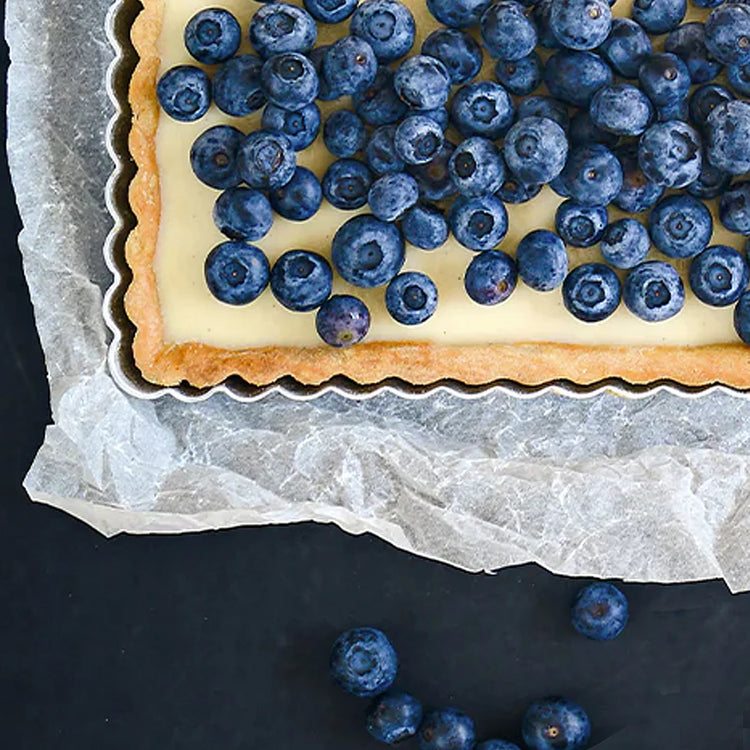
The special finish of Silverwood bakeware means it actually improves with use as it develops its own natural patina. Every time you use your Silverwood tin, the patina develops as fat comes into contact with the surface of the metal and penetrates, creating a natural non-stick layer.
How the Patina Develops
When you grease your Silverwood tin and bake, the fats and oils interact with the anodised surface at baking temperatures. These fats penetrate the microscopic pores in the anodised aluminium, creating a natural non-stick layer that builds up gradually over time.
The More You Use It, The Better It Gets
This is the opposite of traditional non-stick cookware, which degrades with use. A well-used Silverwood tin with an established patina will outperform a brand new one. Professional bakers actively encourage this patina development – it's a sign of a well-loved, properly maintained tin.
What the Patina Looks Like
As your patina develops, you'll notice light discolouration on the surface of your tin. This might appear as:
- A gradual darkening from silver to grey or bronze tones
- Slight colour variations where different foods have been baked
- A subtle sheen or lustre on frequently used areas
- Darker patches where fats have concentrated
⚠️ This is Normal and Desirable!
Many people worry when their pristine silver tin starts to change colour. Don't panic – this discolouration is completely normal, not hazardous to health, and actually indicates your tin is working exactly as designed. Professional chefs actively encourage this patina. Trying to remove it will only mean you have to build it up again from scratch.
First-Time Use
New Silverwood tins need minimal preparation:
- Initial Wash: Wash in warm soapy water and dry thoroughly
- First Few Uses: For bread tins, grease generously for the first 3-5 uses
- Progressive Improvement: After the initial uses, you'll need progressively less grease as the patina develops
- Be Patient: The full benefits of the patina develop over weeks and months of regular use
TV & Celebrity Chef Endorsements
Silverwood bakeware is the preferred choice of celebrity chefs and regularly appears on television shows such as Great British Bake Off, The Hairy Bikers, Masterchef and Great British Menu.

Why Professionals Choose Silverwood
Silverwood bakeware has long been favoured by star bakers for its exceptional quality, performance and specialist items including the innovative Multi-size Cake Pan and the truly unique Eyecatcher Pan which features a slide-out base for easy removal of brownies, traybakes and square cakes.
Famous Fans of Silverwood
- Delia Smith: Has her own range of bakeware designed and manufactured by Silverwood
- Mary Berry: Regular user of Silverwood tins throughout her baking career
- Nigella Lawson: Relies on Silverwood for dependable baking results
- Lorraine Pascale: Professional pastry chef who trusts Silverwood quality
- Tom Kerridge: Uses Silverwood in his Michelin-starred kitchens
The Great British Bake Off Connection
Silverwood's regular appearance on GBBO isn't product placement – it's simply the production team's choice of professional-quality bakeware that contestants can rely on under pressure. When you need consistent results in a competition tent with challenging conditions, Silverwood's heat distribution and reliability make it the obvious choice.
Greasing & Seasoning Guide
Which greasing agent works best depends largely on the recipe being prepared. Here's our comprehensive guide based on decades of experience:
| Bake Type | Recommended Greasing | Notes |
|---|---|---|
| Bread | Groundnut oil or block butter | Grease for first few uses. Once patina develops, progressively less grease needed. Groundnut oil suits vegetarians and doesn't flavour bread. |
| Pastries | Usually no grease required | Fat in the pastry itself does the job. Unsalted butter may improve release without affecting flavour. |
| Sponge Cakes | Unsalted butter + light flour dusting | Grease with unsalted butter, then dust with plain flour (knock out excess). Creates a light golden crust. |
| General Baking | Lard or groundnut oil | Lard is an excellent all-purpose release agent. Groundnut oil applied as thin film with kitchen paper also works brilliantly. |
| Savoury Dishes | Lard or block butter | While recipes may include olive oil as ingredient, don't use it for greasing (see warning below). |
⚠️ Avoid These Greasing Agents
Olive Oil: Although many savoury recipes include olive oil as an ingredient, it is a poor release agent. If used to grease pans, it may build up to form a sticky film which is difficult to remove.
Commercial Release Sprays: After frequent use, some cooking release sprays will build up a residue which will spoil the release properties of bakeware. This residue can even cause traditional PTFE non-stick coatings to fail.
Building Your Patina with Bread Tins
When Silverwood bread tins are new, they need to be greased/seasoned for the first few uses. Thereafter, a patina will develop on the surface of the tin, and they will require progressively less grease. We usually recommend groundnut oil for seasoning and greasing, as it suits vegetarians, does not flavour the food and is pure with no added ingredients.
Care and Maintenance
Proper care ensures your Silverwood bakeware delivers perfect results for decades. The 25-year guarantee demonstrates the quality, but following these guidelines will keep your tins in top condition:
After Each Use
Wash in warm, soapy water, rinse thoroughly and dry completely. Wash whilst still warm for easiest cleaning.
Temperature Adjustment
Reduce cooking temperatures by 10-15°C from recipe instructions. Check progress after 2/3 of normal cooking time.
Avoid Sharp Utensils
Don't use knives or sharp implements directly on the tin surface. Cut bakes after removal from tin.
Embrace Discolouration
Light colour changes are normal and desirable. This is your natural patina developing – don't try to remove it.
Storage
Store in a dry place. If stacking, place paper towels between tins to prevent scratching.
Freezer Safe
Can be used for freezing and defrosting. Line with baking parchment first for easy removal of frozen items.
The Dishwasher Question
⚠️ NEVER Put Silverwood in the Dishwasher
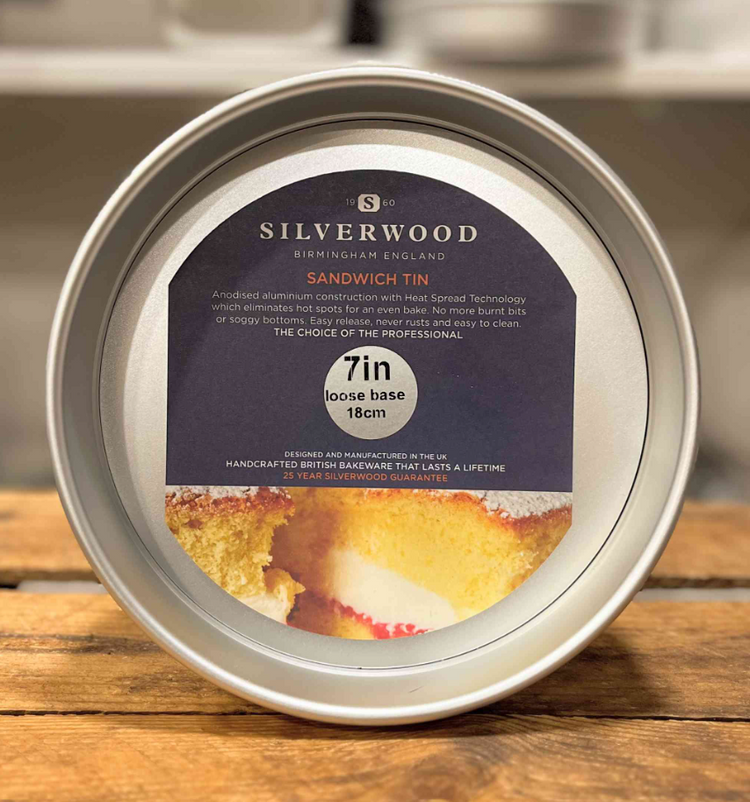
In common with many high-quality products, anodised bakeware should never be put in the dishwasher. Most dishwasher detergents contain caustic cleaning agents which may chemically attack and damage the surface of your tin.
Similarly, avoid the use of oven cleaners and other harsh chemical cleaning agents.
If Your Tin Has Been Through the Dishwasher
Cosmetic damage can be caused by the aggressive, caustic chemicals often found in dishwasher detergents. You might see:
- Discolouration and mysterious "fingerprints"
- White powdery residue
- Uneven etching on the surface
These marks are basically areas that were partially protected from chemical attack by deposits of protective grease. The effect is that the tin is "preferentially etched", meaning the level of chemical attack varies according to the barrier provided by food deposits.
Good News About Dishwasher Damage
The damage is purely aesthetic and has no detrimental effect on cooking performance or health. Remove any powdery residue by hand washing with a non-scratch scouring pad. There's no practical way to restore the original finish (it would require factory processes), but the tin will continue to bake perfectly well. In fact, the damaged areas may develop their patina faster!
The 25-Year Guarantee
You can buy Silverwood bakeware with complete confidence. In addition to your statutory rights, Silverwood offers a 25-year guarantee.
Commitment to Quality
Silverwood is committed to the quality of their bakeware from the meticulous design process to the handcrafting and rigorous testing of each and every tin. They have stringent quality control procedures to ensure each piece leaves the factory ready to achieve the perfect bake, time after time.
A Silverwood tin is with you for life, harnessing moments and memories with family and friends.
What About Microwaves?
⚠️ Never Use in Microwave Ovens
Never use Silverwood bakeware in a microwave oven. Aluminium reflects microwaves and can cause arcing (sparks) that may damage your microwave and create a fire hazard.
Why Buy Silverwood from Art of Living?
We've been specialists in premium bakeware for over 50 years, stocking the complete Silverwood range across our three Surrey showrooms.
Ready to Bake Like the Professionals?
Explore our complete range of Silverwood handcrafted bakeware



Leave a comment